Teaching, tutoring, and course creation resources
Practical guidance for teachers, tutors, course creators, schools, parents, and students.
Most popular
Based on real article views.

How to Build an SAT Error Log That Changes What Students Practise
A useful SAT error log does more than record wrong answers: it identifies why an answer went wrong, how confident the student felt, when to revisit it, and which question to practise next. This guide gives teachers, tutors, parents, and students a practical structure for turning mistakes into targeted study decisions.

How to Create a Diagnostic Test Before a Course Starts: A Practical Blueprint for Tutors
A strong course-start diagnostic is not a mini mock exam. It is a short, deliberate evidence-gathering tool that helps tutors identify starting points, form flexible groups, and choose first-week work without reducing a learner to one score.

Best AI Tools for Teachers in 2026: Choose the Right Tool for Each Workflow
The best AI tools for teachers are not interchangeable. This workflow-based guide compares practical options for planning, content creation, feedback, differentiation, and administration—while keeping teacher judgement at the centre.

Write a tutor bio that proves fit without vague claims
A strong tutor bio makes it easier for suitable students and parents to understand what you teach, how you teach, and whether your support fits their goals. Use a clear structure, specific proof, and an honest teaching approach to create a profile that attracts better-fit enquiries.
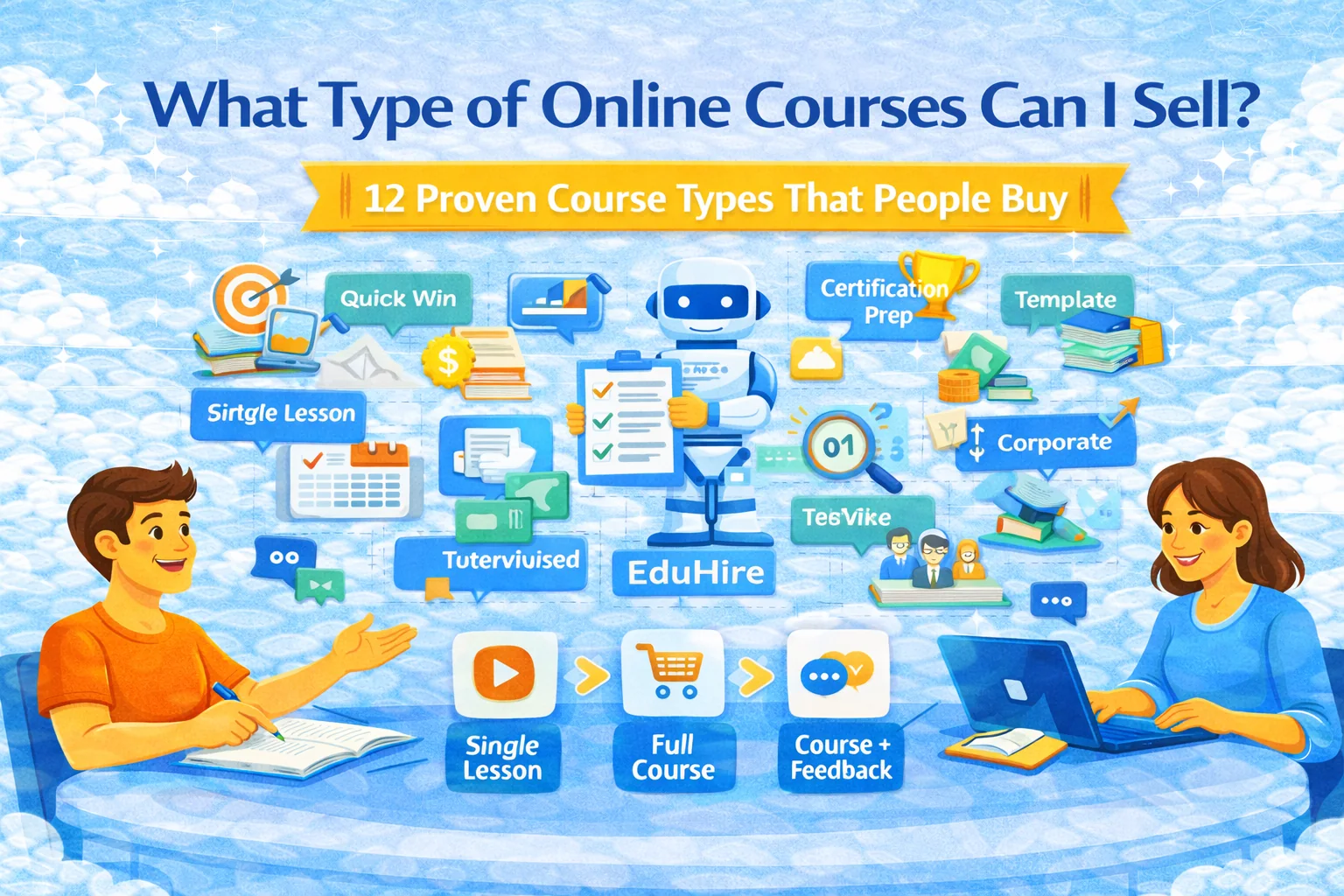
12 types of online courses you can sell—and how to choose yours
Not sure what kind of online course to sell? Here are 12 course types that reliably convert—plus a quick framework to choose the right niche, validate demand, price it, and sell it on SubSchool as a full course or even single lessons.

Evaluate AI grading by evidence, rubrics, uncertainty, privacy, and teacher control
AI grading tools can reduce repetitive marking work, but the right choice depends on more than speed. Use this framework to compare response formats, rubrics, evidence, uncertainty, privacy, and teacher override before adopting a tool.

Best AI Course Creators: Turn a Generated Outline into a Real Learning Workflow
The best AI course creator is not simply the one that writes the fastest first draft. Compare how each platform structures content, supports editing and assessment, delivers learning through an LMS, and prices the workflow before choosing.

Tutoring Session Notes Template: Record What Moves Learning Forward
A practical tutoring session notes template should capture the learning outcome, misconceptions, evidence, next task, and a parent-ready summary. This guide shows independent tutors what to record, what to leave out, and how to turn brief notes into better follow-up teaching.
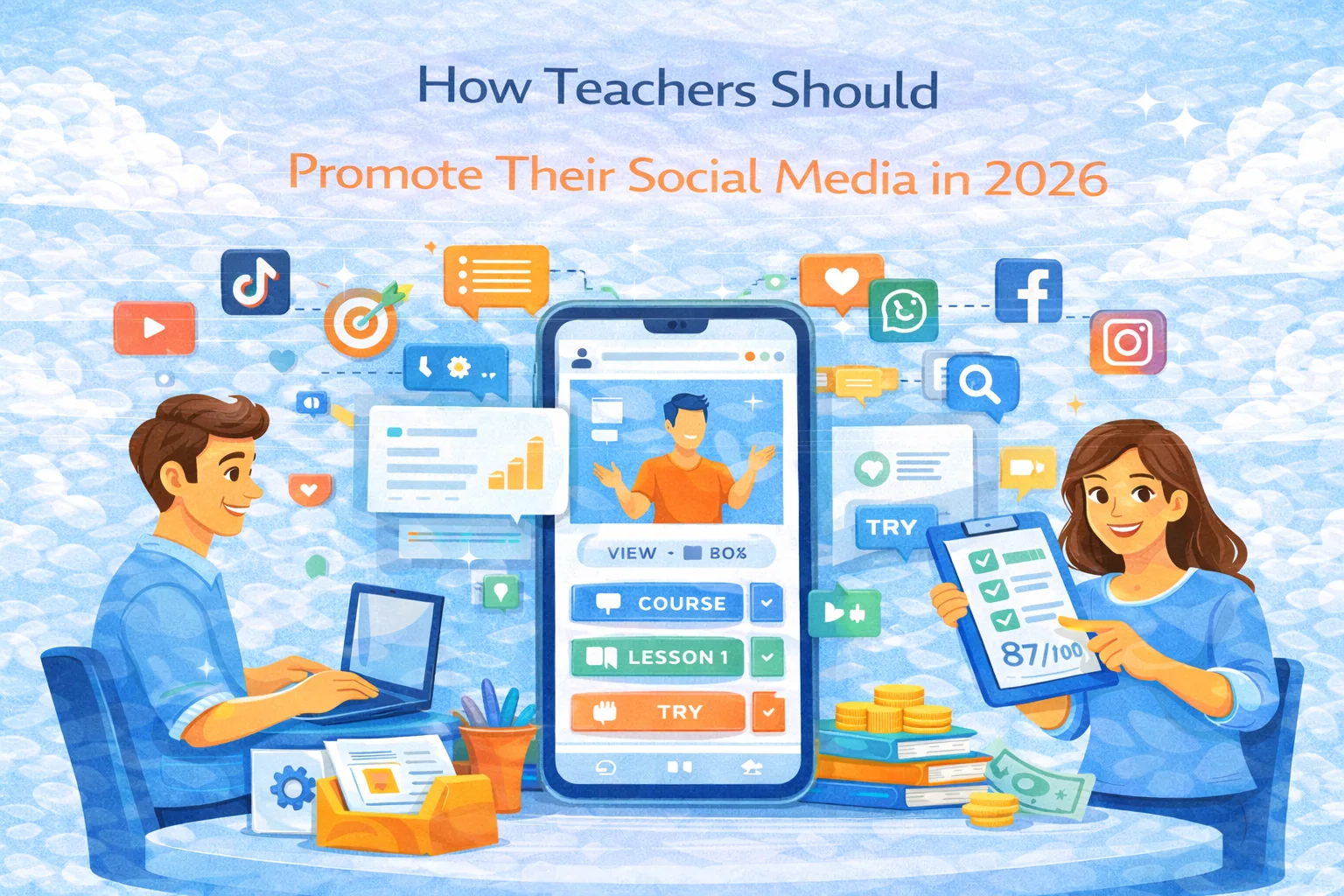
How Teachers Should Promote Their Social Media in 2026 (Without Feeling Like a Cringey Influencer)
With the continued growth of social media and the increasing importance of technology in education, promoting oneself as a teacher on social media is becoming increasingly important

How to Write a Student Progress Report Parents Can Actually Use
A useful student progress report turns tutoring evidence into a clear shared plan: what changed, what is getting in the way, what parents can do, and what comes next. Use this practical structure to write reports that inform without overwhelming families.
All articles
Best AI Course Creators: Turn a Generated Outline into a Real Learning Workflow
The best AI course creator is not simply the one that writes the fastest first draft. Compare how each platform structures content, supports editing and assessment, delivers learning through an LMS, and prices the workflow before choosing.

Best Teachable Alternatives for Teachers Who Need Homework and Tutoring Workflows
Teachable can be a strong platform for selling courses and coaching, but teachers and tutors may need a different workflow for recurring homework, individual feedback, or session-based support. This guide compares practical Teachable alternatives by the work they help you manage—not by a generic feature checklist.

SubSchool Alternatives: When Another Platform Is a Better Fit
SubSchool is not the right answer for every teaching workflow. This honest guide helps teachers, tutors, and education businesses identify when a classroom LMS, an enterprise platform, a course-commerce tool, or tutoring operations software may be the stronger choice.

SubSchool vs Udemy: Choose Marketplace Discovery or More Control of Your Teaching Workflow
SubSchool and Udemy can both help educators sell learning, but they are built around different operating models. Udemy prioritises marketplace discovery, while SubSchool brings courses, homework, tutoring, payments, and learner progress into a connected teaching workspace.

Can You Trust Online Course Ratings? What Evidence to Look For
Online course ratings can be useful signals, but a high average score does not prove that a course will suit every learner. Learn how to examine reviews alongside cohort size, starting level, completion data, outcome claims, and selection bias.

Education App Privacy for Parents: Questions to Ask Before Your Child Signs Up
Educational apps can support learning, but they may also collect data, enable communication, or use recordings and advertising. Use these practical questions to understand what an app needs, what it keeps, and who can access it.

Turn a Diagnostic Result into an Exam-Prep Study Plan
A diagnostic result is most useful when it becomes a practical decision: what to study first, when to practise, and how to check whether the plan is working. Use this step-by-step approach to build an exam prep study plan that responds to real strengths and gaps.

Affordable Online Tutoring: Combine a Course With Targeted 1:1 Help
A lower-cost tutoring plan does not have to mean less support. Use a structured course for regular teaching and practice, then reserve live 1:1 time for diagnosis, feedback, confidence-building, and difficult sticking points.

What Good Homework Feedback Looks Like: Examples Students Can Use
Good homework feedback does more than label work as right or wrong. It helps a student see what they did well, what needs attention, and the next manageable step to take.